Business Waste Removal in Notting Hill: Efficient Solutions for Your Enterprise
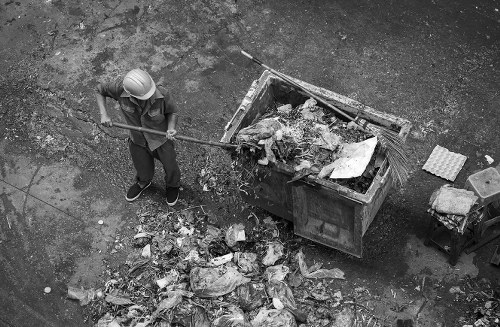
A worker wearing a protective helmet and dark work clothing is standing on a paved surface outdoors, using a long-handled tool to clear a large, open-top dumpster filled with mixed waste materials, including cardboard, plastic, and general rubbish. Loose debris and rubbish are scattered around the base of the dumpster on the ground. The scene appears to be in an urban or industrial area, possibly part of a waste collection or clearance operation in Notting Hill, as suggested by the context of rubbish removal services. The background shows a textured, weathered surface, and the lighting is natural, indicating daytime conditions. The image relates to commercial waste management and rubbish removal services provided by companies like Commercial Waste Removal Notting Hill.

Running a business in Notting Hill comes with its unique set of challenges, and managing waste is undoubtedly one of them. Effective business waste removal is crucial not only for maintaining a clean and safe work environment but also for complying with local regulations. In this comprehensive guide, we delve into the various aspects of business waste removal in Notting Hill, providing you with the insights needed to choose the right service for your enterprise.

Notting Hill, known for its vibrant culture and bustling commercial areas, generates a significant amount of waste daily. From office supplies and electronics to construction debris and organic waste, businesses in this area deal with diverse waste types. Understanding the specific requirements for each category is essential for efficient waste management.

One of the primary considerations for businesses is selecting a waste removal service that aligns with their operational needs and sustainability goals. Whether you run a small startup or a large corporation, the right waste management partner can make a substantial difference in your company's environmental footprint and operational efficiency.
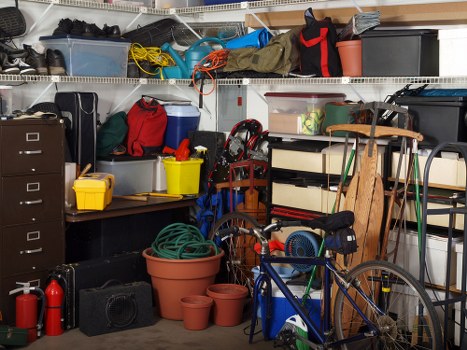
The image displays a cluttered indoor storage area full of various household and outdoor items, including multiple plastic storage containers in black, transparent, and coloured shades, some stacked on metal shelves along the wall. Several garden tools, such as a green hose coiled in a large terracotta pot, are visible among the clutter. There are cardboard boxes, a red and black backpack, and a yellow plastic container placed on a black workbench or table, along with other miscellaneous items like a small speaker, a fire extinguisher on the floor, and a black filing cabinet. A bicycle with blue and red components is positioned toward the front, partly obscured by other objects, while a wooden ladder leans against the wall. The shelving unit above holds more containers, gardening equipment, and some fabric or clothing items. The space appears to be in a garage or utility room, with ambient lighting illuminating the various objects, and the overall scene depicting a typical cluttered storage area awaiting waste disposal or clearing by Commercial Waste Removal Notting Hill, serving local businesses and residents in the Notting Hill area postcode.

Understanding Business Waste Removal

Business waste removal encompasses the collection, transportation, and disposal of waste generated by commercial establishments. Unlike residential waste, business waste can be more complex, often involving larger volumes and a wider variety of materials. Key aspects include:

  • Types of Waste: Commercial waste can range from general office waste to hazardous materials, each requiring specific handling procedures.
  • Regulatory Compliance: Businesses must adhere to local and national regulations governing waste disposal to avoid legal penalties.
  • Recycling and Sustainability: Incorporating recycling practices and sustainable waste management solutions can enhance a company's environmental responsibility.

By addressing these aspects, businesses can ensure not only legal compliance but also contribute positively to the community and environment.
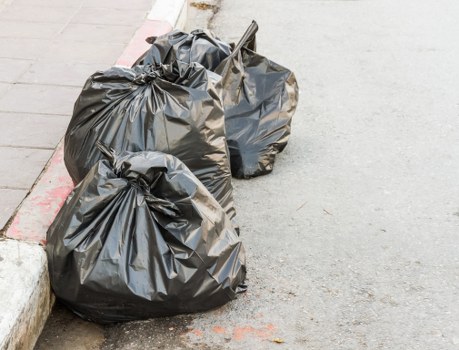
The image shows three large black rubbish bags made of thick plastic, situated on a paved sidewalk next to a concrete curb in an urban outdoor setting. The bags are partially filled and appear to contain mixed waste, with slight bulges and creases visible in the material. One bag is leaning against the curb, while the other two are standing upright on the pavement. The background reveals a smooth asphalt road surface with some faint markings and a red-painted line along the curb edge. The lighting indicates daytime with natural light casting soft shadows, suggesting the scene is outdoors in a typical residential or commercial area. This setup exemplifies waste collection preparation commonly seen in London and the surrounding areas, where local rubbish removal services like those provided by Commercial Waste Removal Notting Hill handle such waste disposal tasks for businesses and residents in the postcode area. The image broadly illustrates typical rubbish storage before collection or removal, integral to efficient local waste management operations in Notting Hill.

Types of Business Waste

Understanding the different types of business waste is the first step towards effective waste management. The primary categories include:

  • General Waste: Everyday waste such as paper, plastics, and food scraps.
  • Hazardous Waste: Materials that are flammable, corrosive, or toxic, requiring special handling.
  • Recyclable Waste: Items that can be reprocessed into new products, including metals, glass, and certain plastics.
  • Electronic Waste (E-Waste): Discarded electronic devices like computers, printers, and phones.
  • Construction and Demolition Waste: Debris from building projects, such as concrete, wood, and metals.

Each waste type demands specific disposal methods to ensure safety, compliance, and environmental protection.
Three black plastic rubbish bags, made from glossy, crinkled material, are lined up on a plain white background. The bags are tightly knotted at the top, with visible roping and folds indicating they are filled with waste. They are positioned side by side, with slight variations in size, creating a uniform row. The bags appear used and are typical of waste disposal methods seen in domestic or commercial settings such as waste collection areas, driveways, or service yards in Notting Hill. The high contrast of the black bags against the white background emphasizes their shape and texture, conveying the presence of waste ready for removal. This image represents typical rubbish collection items handled by companies like Commercial Waste Removal Notting Hill, aligning with their rubbish removal services. The setting suggests a clean, minimal environment intended solely to focus on the rubbish bags for clear visual communication about waste disposal and management.

Choosing the Right Waste Removal Service

Selecting a reliable business waste removal service in Notting Hill involves evaluating several factors to ensure that your business’s waste is managed efficiently and responsibly. Here are key considerations:

1. Service Range and Specialization

Different businesses generate different types of waste. It's essential to choose a service that specializes in handling the specific waste types your business produces, whether it’s standard office waste, hazardous materials, or e-waste.

2. Compliance and Certifications

Ensure that the waste removal company complies with all local regulations and possesses the necessary certifications. This guarantees that your business avoids legal complications related to improper waste disposal.

3. Sustainability Practices

Opt for services that prioritize recycling and sustainable disposal methods. Companies committed to environmental sustainability help enhance your business’s green credentials.
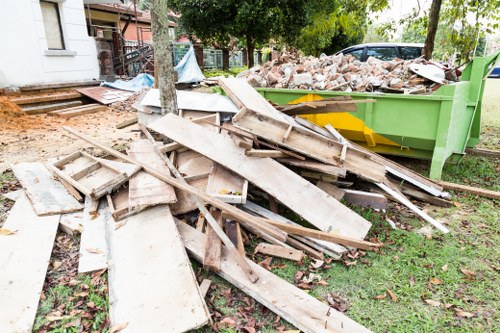
A pile of wooden debris and disused construction materials, including broken planks, panels, and strips of weathered wood with rough textures and light beige and grayish tones, is scattered on a grassy area adjacent to a paved driveway. Behind the pile, there is a large, green skip filled with brick rubble and smaller debris, positioned on a residential property with trees and gardens visible in the background. The scene appears to capture the aftermath of a renovation or demolition, with the debris awaiting removal by a professional waste management service such as Commercial Waste Removal Notting Hill. The environment is outdoors in a suburban setting, with natural daylight illuminating the scene, emphasizing the weathered textures of the discarded wooden items and the contrasting green of the garden and skip, all situated in the postcode area associated with Notting Hill.

Benefits of Professional Waste Removal

Engaging professional waste removal services offers numerous advantages for businesses in Notting Hill:

  1. Efficiency: Professional services ensure timely and efficient waste collection, minimizing disruptions to your business operations.
  2. Cost-Effectiveness: Outsourcing waste management can be more economical than handling it in-house, saving on labor and equipment costs.
  3. Regulatory Compliance: Experts stay updated with the latest regulations, ensuring your business remains compliant with waste disposal laws.
  4. Environmental Responsibility: Professional services often implement recycling and waste reduction strategies, contributing to environmental sustainability.
  5. Health and Safety: Proper waste management reduces health risks and maintains a safe working environment.

These benefits collectively contribute to smoother business operations and a stronger reputation in the community.

Steps to Implement Effective Waste Management

A worker wearing a protective helmet and dark work clothing is standing on a paved surface outdoors, using a long-handled tool to clear a large, open-top dumpster filled with mixed waste materials, including cardboard, plastic, and general rubbish. Loose debris and rubbish are scattered around the base of the dumpster on the ground. The scene appears to be in an urban or industrial area, possibly part of a waste collection or clearance operation in Notting Hill, as suggested by the context of rubbish removal services. The background shows a textured, weathered surface, and the lighting is natural, indicating daytime conditions. The image relates to commercial waste management and rubbish removal services provided by companies like Commercial Waste Removal Notting Hill.

Assessment of Waste Generation

The first step is to assess the quantity and types of waste your business generates. This involves conducting a waste audit to identify areas where waste reduction is possible.

Developing a Waste Management Plan

Create a comprehensive plan that outlines waste handling procedures, recycling programs, and schedules for waste collection. This plan should align with both your operational needs and sustainability goals.

Employee Training and Engagement

Educate your employees about proper waste disposal practices and the importance of reducing waste. Engaged employees are crucial for the successful implementation of waste management strategies.

The image displays a cluttered indoor storage area full of various household and outdoor items, including multiple plastic storage containers in black, transparent, and coloured shades, some stacked on metal shelves along the wall. Several garden tools, such as a green hose coiled in a large terracotta pot, are visible among the clutter. There are cardboard boxes, a red and black backpack, and a yellow plastic container placed on a black workbench or table, along with other miscellaneous items like a small speaker, a fire extinguisher on the floor, and a black filing cabinet. A bicycle with blue and red components is positioned toward the front, partly obscured by other objects, while a wooden ladder leans against the wall. The shelving unit above holds more containers, gardening equipment, and some fabric or clothing items. The space appears to be in a garage or utility room, with ambient lighting illuminating the various objects, and the overall scene depicting a typical cluttered storage area awaiting waste disposal or clearing by Commercial Waste Removal Notting Hill, serving local businesses and residents in the Notting Hill area postcode.

Innovative Waste Removal Solutions in Notting Hill

Notting Hill businesses have access to a variety of innovative waste removal solutions designed to enhance efficiency and sustainability:

  • Automated Waste Collection Systems: Utilize smart bins and sensors to optimize waste collection schedules and reduce unnecessary pickups.
  • On-Site Recycling Programs: Implement systems that allow for the immediate sorting and recycling of waste within your premises.
  • Composting Services: For businesses that generate organic waste, composting can convert waste into valuable compost for landscaping or gardening.
  • Zero-Waste Initiatives: Adopt strategies aimed at minimizing waste generation to virtually eliminate waste production.

These solutions not only streamline waste removal processes but also promote a culture of sustainability within businesses.

The image shows three large black rubbish bags made of thick plastic, situated on a paved sidewalk next to a concrete curb in an urban outdoor setting. The bags are partially filled and appear to contain mixed waste, with slight bulges and creases visible in the material. One bag is leaning against the curb, while the other two are standing upright on the pavement. The background reveals a smooth asphalt road surface with some faint markings and a red-painted line along the curb edge. The lighting indicates daytime with natural light casting soft shadows, suggesting the scene is outdoors in a typical residential or commercial area. This setup exemplifies waste collection preparation commonly seen in London and the surrounding areas, where local rubbish removal services like those provided by Commercial Waste Removal Notting Hill handle such waste disposal tasks for businesses and residents in the postcode area. The image broadly illustrates typical rubbish storage before collection or removal, integral to efficient local waste management operations in Notting Hill.

Cost Factors in Business Waste Removal

Understanding the cost factors associated with business waste removal can help you budget effectively. Key factors include:

  • Volume of Waste: The amount of waste your business generates directly impacts the cost, with larger volumes typically incurring higher fees.
  • Type of Waste: Hazardous and specialized waste types may require additional handling and disposal costs.
  • Frequency of Collection: More frequent pickups can increase costs but may be necessary for businesses with high waste output.
  • Recycling and Disposal Methods: Services that prioritize recycling and environmentally friendly disposal methods may have different pricing structures.
  • Contract Terms: Long-term contracts might offer cost benefits compared to short-term or one-time services.

By understanding these factors, businesses can make informed decisions that balance cost with their waste management needs.

Three black plastic rubbish bags, made from glossy, crinkled material, are lined up on a plain white background. The bags are tightly knotted at the top, with visible roping and folds indicating they are filled with waste. They are positioned side by side, with slight variations in size, creating a uniform row. The bags appear used and are typical of waste disposal methods seen in domestic or commercial settings such as waste collection areas, driveways, or service yards in Notting Hill. The high contrast of the black bags against the white background emphasizes their shape and texture, conveying the presence of waste ready for removal. This image represents typical rubbish collection items handled by companies like Commercial Waste Removal Notting Hill, aligning with their rubbish removal services. The setting suggests a clean, minimal environment intended solely to focus on the rubbish bags for clear visual communication about waste disposal and management.

Local Regulations and Compliance

Businesses in Notting Hill must adhere to specific local regulations regarding waste disposal to avoid fines and legal issues. Key regulations include:

  • Waste Disposal Licensing: Ensure that your waste removal service is licensed to handle your specific waste types.
  • Sorting and Recycling Requirements: Follow mandated guidelines for sorting recyclable materials from general waste.
  • Hazardous Waste Handling: Comply with strict protocols for the storage, transportation, and disposal of hazardous materials.

Staying informed and compliant with these regulations is essential for smooth business operations and environmental stewardship.

A pile of wooden debris and disused construction materials, including broken planks, panels, and strips of weathered wood with rough textures and light beige and grayish tones, is scattered on a grassy area adjacent to a paved driveway. Behind the pile, there is a large, green skip filled with brick rubble and smaller debris, positioned on a residential property with trees and gardens visible in the background. The scene appears to capture the aftermath of a renovation or demolition, with the debris awaiting removal by a professional waste management service such as Commercial Waste Removal Notting Hill. The environment is outdoors in a suburban setting, with natural daylight illuminating the scene, emphasizing the weathered textures of the discarded wooden items and the contrasting green of the garden and skip, all situated in the postcode area associated with Notting Hill.

Choosing Eco-Friendly Waste Removal Options

Embracing eco-friendly waste removal options not only benefits the environment but also enhances your business’s reputation. Consider the following approaches:

Recycling Programs

Implement comprehensive recycling programs that cover a wide range of materials, ensuring minimal waste ends up in landfills.

Composting Organic Waste

For businesses that produce organic waste, composting provides a sustainable way to manage this waste and can be used for landscaping or community projects.

Reducing Single-Use Items

Minimize the use of single-use plastics and other disposable items to reduce the overall waste your business generates.

Partnering with Green Waste Removal Services

Choose waste removal companies that prioritize sustainability, utilize eco-friendly disposal methods, and have green certifications.

[h5>Implementing a Zero-Waste Policy

Adopting a zero-waste policy involves a comprehensive approach to eliminate waste generation. Steps include:

  • Redesigning Processes: Modify workflows to produce less waste at the source.
  • Material Substitution: Replace non-recyclable materials with sustainable alternatives.
  • Waste Audits: Regularly conduct waste audits to identify and address waste reduction opportunities.

A zero-waste policy not only reduces environmental impact but also can lead to significant cost savings over time.

Technological Advancements in Waste Management

Technology plays a pivotal role in modern waste management, offering innovative solutions to enhance efficiency and sustainability:

  • Smart Waste Bins: Equipped with sensors, these bins monitor waste levels and optimize collection routes.
  • Waste Tracking Software: Enables businesses to track waste generation, disposal, and recycling rates in real-time.
  • Automated Sorting Systems: Use advanced algorithms and machinery to sort waste more accurately and efficiently.
  • Data Analytics: Analyze waste data to identify patterns and opportunities for waste reduction.

Incorporating these technologies can significantly improve waste management practices, leading to better resource utilization and reduced operational costs.

A worker wearing a protective helmet and dark work clothing is standing on a paved surface outdoors, using a long-handled tool to clear a large, open-top dumpster filled with mixed waste materials, including cardboard, plastic, and general rubbish. Loose debris and rubbish are scattered around the base of the dumpster on the ground. The scene appears to be in an urban or industrial area, possibly part of a waste collection or clearance operation in Notting Hill, as suggested by the context of rubbish removal services. The background shows a textured, weathered surface, and the lighting is natural, indicating daytime conditions. The image relates to commercial waste management and rubbish removal services provided by companies like Commercial Waste Removal Notting Hill.

Case Studies: Successful Waste Removal in Notting Hill

Examining successful implementations of business waste removal can provide valuable insights:

Tech Startup Optimization

A local tech startup implemented a comprehensive recycling program, reducing their waste output by 40% within the first year. By partnering with an eco-friendly waste removal service, they ensured proper handling and recycling of electronic waste.

Retail Store Transformation

A Notting Hill retail store revamped its waste management practices by adopting a zero-waste policy. This involved training employees, optimizing inventory to reduce packaging waste, and collaborating with suppliers on sustainable packaging solutions.

The image displays a cluttered indoor storage area full of various household and outdoor items, including multiple plastic storage containers in black, transparent, and coloured shades, some stacked on metal shelves along the wall. Several garden tools, such as a green hose coiled in a large terracotta pot, are visible among the clutter. There are cardboard boxes, a red and black backpack, and a yellow plastic container placed on a black workbench or table, along with other miscellaneous items like a small speaker, a fire extinguisher on the floor, and a black filing cabinet. A bicycle with blue and red components is positioned toward the front, partly obscured by other objects, while a wooden ladder leans against the wall. The shelving unit above holds more containers, gardening equipment, and some fabric or clothing items. The space appears to be in a garage or utility room, with ambient lighting illuminating the various objects, and the overall scene depicting a typical cluttered storage area awaiting waste disposal or clearing by Commercial Waste Removal Notting Hill, serving local businesses and residents in the Notting Hill area postcode.

The Future of Business Waste Removal in Notting Hill

The future of business waste removal in Notting Hill is poised for significant advancements, driven by technology and increasing environmental awareness. Anticipated trends include:

  • Increased Automation: More businesses will adopt automated waste collection and sorting technologies.
  • Enhanced Recycling Techniques: Innovations in recycling will allow for a broader range of materials to be processed and reused.
  • Greater Emphasis on Circular Economy: Businesses will focus on creating a closed-loop system where waste is continuously repurposed.
  • Smart Waste Management Systems: Integration of IoT and AI to optimize waste management processes further.

Staying abreast of these trends will help businesses maintain efficient and sustainable waste management practices.

The image shows three large black rubbish bags made of thick plastic, situated on a paved sidewalk next to a concrete curb in an urban outdoor setting. The bags are partially filled and appear to contain mixed waste, with slight bulges and creases visible in the material. One bag is leaning against the curb, while the other two are standing upright on the pavement. The background reveals a smooth asphalt road surface with some faint markings and a red-painted line along the curb edge. The lighting indicates daytime with natural light casting soft shadows, suggesting the scene is outdoors in a typical residential or commercial area. This setup exemplifies waste collection preparation commonly seen in London and the surrounding areas, where local rubbish removal services like those provided by Commercial Waste Removal Notting Hill handle such waste disposal tasks for businesses and residents in the postcode area. The image broadly illustrates typical rubbish storage before collection or removal, integral to efficient local waste management operations in Notting Hill.

How to Get Started with Business Waste Removal

Implementing effective waste removal practices involves several steps:

  1. Conduct a Waste Audit: Assess the types and volumes of waste your business generates.
  2. Set Goals: Define clear objectives for waste reduction, recycling, and disposal.
  3. Choose a Waste Removal Partner: Select a reputable service provider that meets your business needs.
  4. Train Employees: Educate your team on proper waste handling and recycling procedures.
  5. Monitor and Adjust: Continuously track your waste management performance and make necessary adjustments.

Following these steps will help establish a robust waste management system tailored to your business.

Three black plastic rubbish bags, made from glossy, crinkled material, are lined up on a plain white background. The bags are tightly knotted at the top, with visible roping and folds indicating they are filled with waste. They are positioned side by side, with slight variations in size, creating a uniform row. The bags appear used and are typical of waste disposal methods seen in domestic or commercial settings such as waste collection areas, driveways, or service yards in Notting Hill. The high contrast of the black bags against the white background emphasizes their shape and texture, conveying the presence of waste ready for removal. This image represents typical rubbish collection items handled by companies like Commercial Waste Removal Notting Hill, aligning with their rubbish removal services. The setting suggests a clean, minimal environment intended solely to focus on the rubbish bags for clear visual communication about waste disposal and management.

Conclusion: Achieving Sustainable Waste Management

Effective business waste removal in Notting Hill is a critical component of responsible business operations. By understanding the types of waste, selecting the right service provider, and implementing sustainable practices, businesses can significantly reduce their environmental impact and enhance operational efficiency.

Embracing innovative solutions and staying compliant with local regulations ensures that your business not only meets legal requirements but also contributes positively to the community and the environment. As sustainability becomes increasingly important, investing in efficient waste management practices will position your business for long-term success.

Ready to transform your waste management practices? Contact us today to learn how our expert services can support your business in achieving sustainable and efficient waste removal.

Commercial Waste Removal Notting Hill

Discover efficient and sustainable business waste removal solutions in Notting Hill. Learn about types of waste, choosing the right service, compliance, and innovative practices to enhance your business operations.

Book Your Waste Removal

Get In Touch With Us.

Please fill out the form below to send us an email and we will get back to you as soon as possible.